
How to rank higher in Google Maps for your local business
Google Maps ranking depends on 7 factors: GBP completeness, correct category, active reviews, search proximity, NAP consistency, local content on site, general prominence.
- Proximity (distance) is an important factor, but you can't change it. Focus on the other 6 you control.
- Primary category is the biggest influence lever on GBP. Must be the most specific possible.
- For high competitiveness in 3-pack, you need minimum 50 reviews with rating above 4.3.
- NAP (Name, Address, Phone) must be identical on ALL sites where you're listed. Inconsistencies lower ranking.
- Local content on your own site (location pages, articles about area) is the best long-term investment.
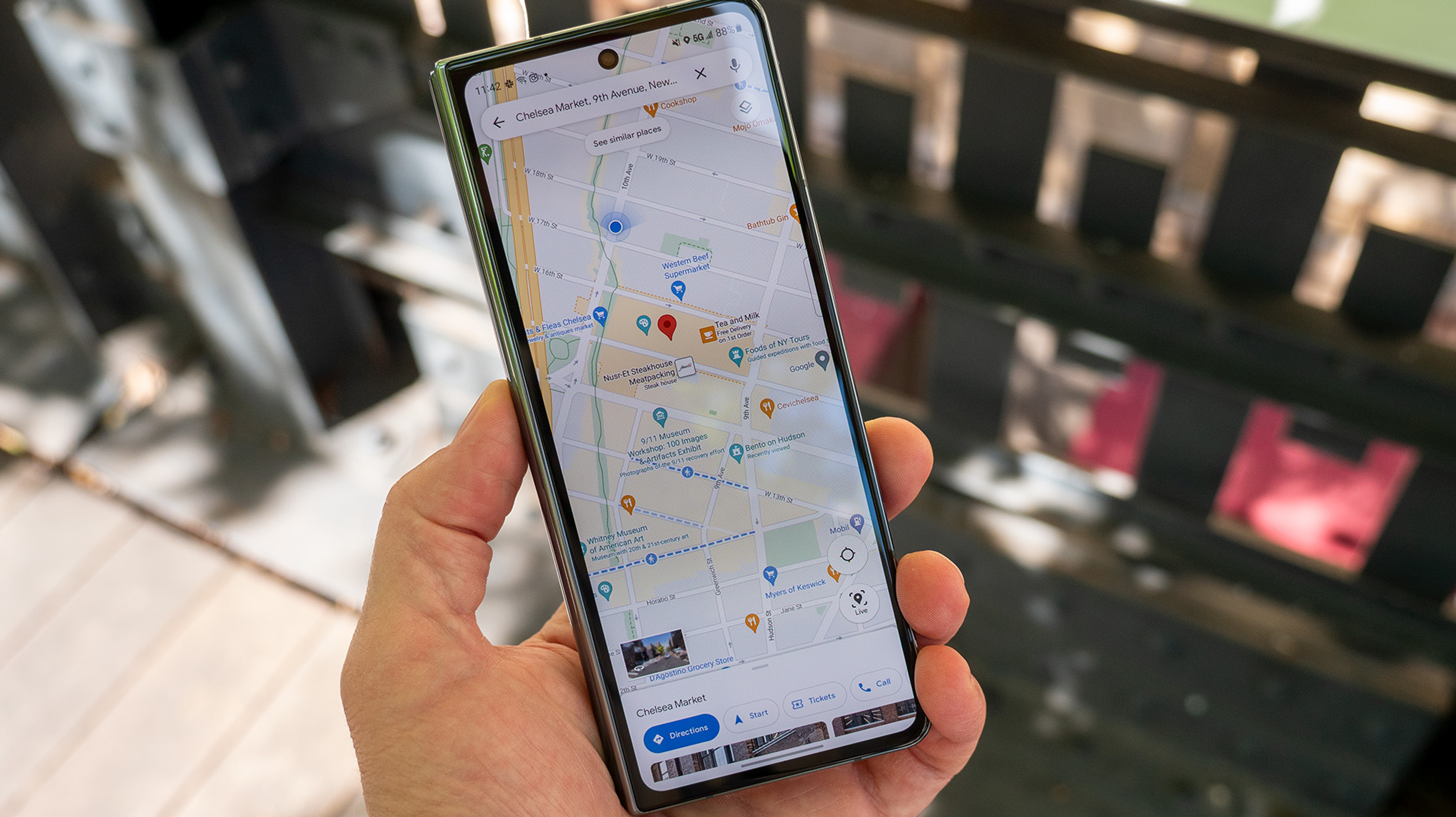
Appearing in Google Maps and Local Pack of 3 is among the most valuable properties for a local business. 60-80% of clicks for local searches go to these 3 positions.
This article walks through the 7 main factors influencing Maps ranking, what you can concretely influence, and how.
Factor 1: Proximity (Distance)
The biggest factor for Maps ranking is how close you are to the location where someone searches. For "coffee near me," Google shows the closest coffee shops, in order.
What you can do: Nothing directly with proximity. You don't move your business for SEO.
What you can do indirectly: Optimize for searches with city or neighborhood name (e.g., "coffee Manchester Northern Quarter"). These are less sensitive to proximity and depend more on other factors.
Factor 2: GBP primary category
The biggest lever you control. Category tells Google when to display you.
Generic vs specific:
- ❌ "Restaurant" — displayed for any restaurant type
- ✅ "Pizza Restaurant" — displayed only when someone searches pizza
- ✅ "Italian Restaurant" — displayed when someone searches Italian
How to choose the right category:
- Identify 3-5 main keywords you want to appear for
- For each, see what categories top 3 competitors already appearing use
- Choose the most specific category that covers most of your keywords
Secondary categories: You add 3-5 secondary categories to cover specific cases. Caution: not too many — Google penalizes "category spam."
Factor 3: Review volume and quality
Reviews are the second factor on the list you control.
What matters:
- Total volume: you have more = better ranking
- Average rating: 4.5+ is comfort zone
- Recency: recent reviews (last 30 days) have more weight
- Author diversity: many different authors > 100 reviews from 5 accounts
- Your responses: 95%+ response rate is positive signal
Approximate thresholds for ranking in 3-pack:
| Local competitiveness | Reviews minimum needed |
|---|---|
| Low (suburb, peripheral area) | 20-50 |
| Medium (small-medium city) | 50-100 |
| High (big city, center) | 100-200 |
| Very high (central London) | 200+ |
For concrete tactics on generating reviews, see How to get more Google reviews.
Factor 4: NAP consistency
NAP = Name, Address, Phone. These 3 elements must be IDENTICAL on ALL sites where your business is listed.
Sites where your NAP appears:
- Google Business Profile
- Own site (footer, contact page)
- Facebook Page
- TripAdvisor
- Yelp
- Online Yellow Pages
- Local directories
- Industry-specific directories
- Local tourism sites
Common inconsistencies that reduce ranking:
- "St Decebal 12" vs "Street Decebal Nr. 12" (formatting)
- "Cafe Roma LLC" vs "Cafe Roma" (legal vs brand)
- Phone with international prefix (+44) vs without
- Numbers alternatively written (07712 345 678 vs 07712345678)
Verification:
- Search your business on Google and verify each listing on the first page
- Identify inconsistencies
- Correct manually on each platform (can take hours for multi-location)
- Automated tools (platforme dedicate) can identify and correct, but cost $40-100/month
Factor 5: Google Business Profile activity
Google prefers to display "active" businesses on their platform. Activity = regular use.
Activity signals:
- Weekly posts (Update, Event, Offer)
- Responses to reviews within 24h
- Photo updates monthly
- Responses to questions in Q&A section
- Hours updates for holidays
How to implement:
Minimum weekly setup:
- Monday: weekly Update post
- Wednesday: respond to reviews from last week
- Friday: check Q&A and respond
Total: 15-30 minutes/week.
Factor 6: Local content on your own site
This is the long-term difference between serious local businesses and the rest.
Types of content that matter:
Location page (with schema.org LocalBusiness):
- Complete address + map embed
- Phone + hours
- Local team (names, photos, short bios)
- Real photos of location
- Location-specific reviews (3-5 with permission)
- Location-specific FAQ
Blog articles with local keywords:
- "Guide X in [city]" (e.g., "Independent coffee shop guide in Manchester")
- "Top 5 [service] in [city]" (even if it sounds egotistic — it works)
- Reviews of other places in the area (like "Best pizzas in Brighton")
Implementation:
Minimum frequency: 1 article/month with local keywords. Below that, active local SEO signal is too weak for medium competition.
Factor 7: General prominence (citations + backlinks)
Hardest factor to influence. Requires work over months-years.
Local citations (NAP mentioned on other sites):
Important listings:
- Yellow Pages (yellowpages.com)
- TripAdvisor for HoReCa
- Locly.ro / local directories
- Industry-specific directories (e.g., for HoReCa: Zomato, OpenTable)
- Local tourism sites (e.g., visit-london.com)
Target: 30-50 consistent citations with identical NAP.
Quality backlinks:
Those that matter:
- Local press sites writing about you
- Local blogs recommending your business
- Professional associations (chambers of commerce, associations)
- Educational sites if you do collaborations (schools, universities)
Never: link exchange schemes, link farms, comment spam on forums.
How to verify current position
Manually:
- Search from Incognito + local IP (use VPN or connect to WiFi in area)
- Note the 3 positions in Local Pack for each keyword
- Repeat from 5 different points of your geographic area (north, south, east, west, center)
- Calculate average position
Tools:
- Local Falcon ($50-100/month) — verify position in geographic grid
- tool dedicat de citation audit — citation audit + ranking
- GeoRanker — variable as price, more technical
For a business with 1-2 locations and under 10 main keywords, manual is sufficient. Above that, tools save hours.
90-day action plan
If you're new to local marketing or have weak Local Pack position:
Week 1-2:
- Complete GBP audit, fill all missing fields
- Change category to most specific
- Add 20+ new quality photos
Week 3-4:
- NAP audit on all platforms, correct inconsistencies
- Setup review request system (QR code, SMS)
Month 2:
- Start weekly posts on GBP
- Respond to ALL old reviews you didn't respond to
- Start blog content with local keywords (1 article/month)
Month 3:
- Check progress in positions
- Generate 30-50 new reviews through set system
- Continue weekly routine
After 90 days, if you don't see position changes, the problem is probably:
- Extreme competition (you need 6-12 months)
- Insufficient setup (something from above steps was skipped)
- Previous penalty (verify with Google Search Console)
For complete context
For complete local marketing strategy, see our local marketing guide for physical businesses.
For reviews specifically, see complete guide Google Business Profile reviews.
In conclusion
Appearing in Maps isn't magic or luck. It's the result of 7 factors, 6 of which you control partially or completely. GBP optimized to maximum + active reviews + consistent NAP + local content on your site is the basic formula.
Patience: results appear in 3-6 months of consistent work, not overnight.
Frequently asked questions
Why does my competitor always appear above me in Google Maps?▾
Check 4 things, 1) They have more reviews or better rating, 2) They have more specific category, 3) They're closer to average searcher location, 4) They have more local citations. Identify the major difference and work on it.
Can I change primary category on GBP without affecting ranking?▾
Changing category can temporarily affect ranking (1-4 weeks). If you change from generic to specific, fast recovery and improved long-term ranking. If you change between different specifics, depends on context.
How many reviews do I need to appear consistently in the 3-pack?▾
Depends on local competitiveness. Under 20 reviews you're cold start. Between 50-100 reviews with rating above 4.3 you enter pack consistently for medium competition. For highly competitive sectors (central London HoReCa), 200+ reviews.
Should I use Google Ads to appear above competitors in Maps?▾
Ads for Local Pack exist, but display is mix organic + ads. Ads doesn't replace need for good organic ranking — appears in addition, only for your targeted keywords, and costs per click. Optimal is strong organic combination + minimal strategic ads.
How do I check my current position for local keywords?▾
Manually, search from different IPs / devices (use VPN or Incognito). Automated, tools like Local Falcon, Bright Local, GeoRanker. Costs $50-200/month, but offer tracking across multiple geographic zones and keywords.